
Attending to Attendance
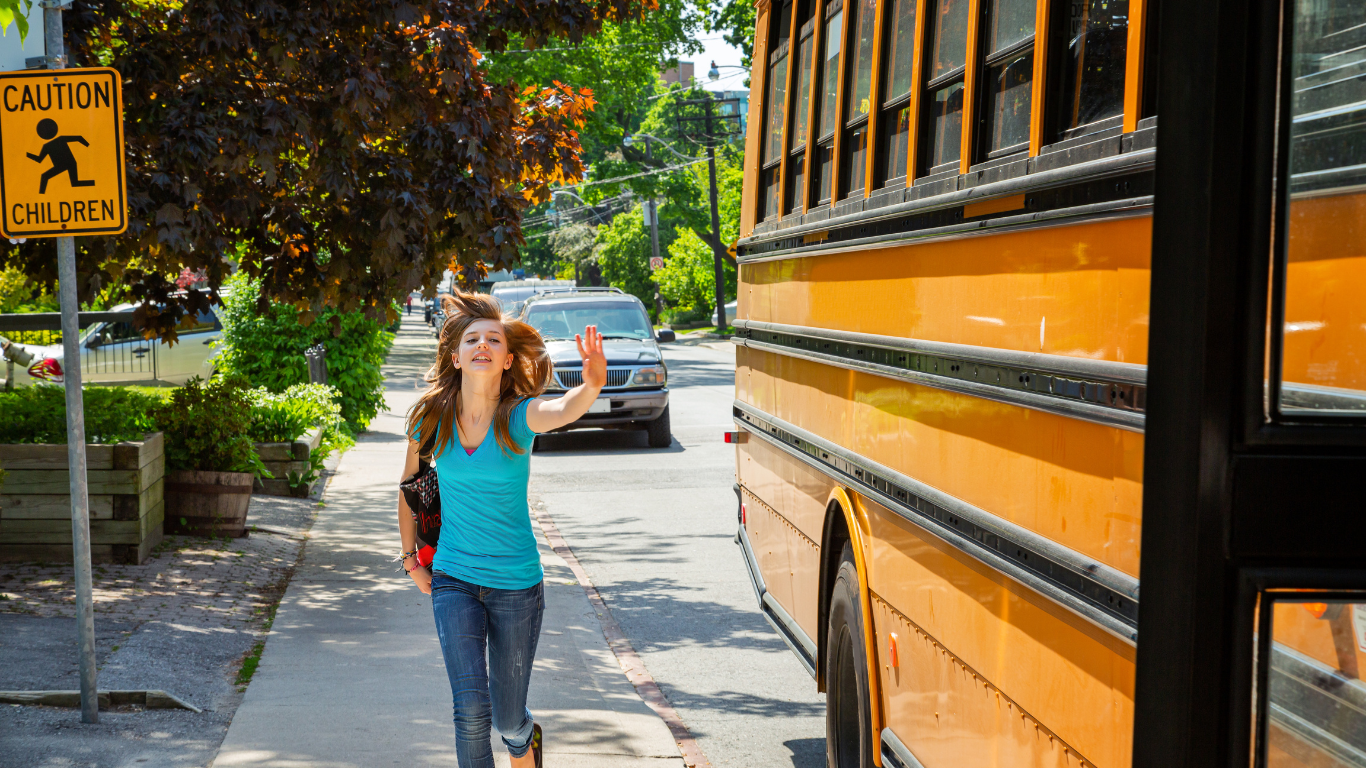
Research points to anxiety, difficulty readjusting to school routines, and concerns about academic catch-up as the primary drivers of these absences, particularly for students with pre-existing mental health challenges and neurodivergent learners.

The Value of Paying Attention
Attention generally increases the likelihood that information gets selected for processing, for doing-something-with, and for later learning. When it's diverted or derailed, less of what's being explained tends to get encoded in a way the learner can actually use later. You can't reliably learn complex material that never receives meaningful attention.

Your Academic Odyssey
The hero's journey isn't a straight line; it involves thresholds, departures, disorientation, unlikely helpers (thank heavens for mentors), moments of deep deep difficulty, and others that unlock us change everything.

The Cost of Avoidance
Avoidance is one of the most common (and most costly) learning habits there is. Not always avoidance of something frightening in the clinical sense, but avoidance of discomfort more broadly.

Why the First Six Weeks of School Matter Most
The research is clear. The first six weeks matter enormously. But, so does what comes before them.

Productivity Apps
The most powerful productivity tool is understanding how you learn, not which app is trending. Not which system worked for your roommate or your colleague or that person on social media who has somehow colour-coded their entire existence.

No One Talks About This
Reflection helps learners notice how they learn, what they understand, and where they're genuinely struggling. This is what learning scientists call metacognition, thinking about thinking.

Learning That Feels Like Vacation
Most of the learners I meet have been taught that the answer is, unequivocally, “no.” That if studying feels pleasant, they're probably not actually studying. That comfort and rigour are at odds, and that the more arduous the experience the more legitimate it must be.
I'd like to push back on that, gently, this season, because the longer I work in this field the less convinced I am that it's true.

The Case for Psychological Safety in Learning
This is capstone season, exam season, and the closing chapter of a school year. It’s also the time when academic stakes feel highest, and when the gap between "taking an intellectual risk" and "feeling personally at risk" can feel smallest.
When a learner doesn't feel psychologically safe, the end of a semester can feel existential. Every exam becomes not just a measure of what they know, but a verdict on what they're worth. Every wrong answer isn't an invitation to learn more, it's evidence of inadequacy.

Getting It Wrong
There is (yet another) a study that’s come out that I've been turning over in my head this week, on something researchers call pretesting. A team in Singapore had three hundred and forty-one adults learn Spanish vocabulary, and compared two ways of doing it. The first group studied the word-and-picture pairs in the way most of us were taught: by looking and rehearsing. The second group was asked to guess at the meanings before any teaching had happened, and was then shown the correct answer afterward. They had a three-in-four chance of being wrong. They did it anyway.